
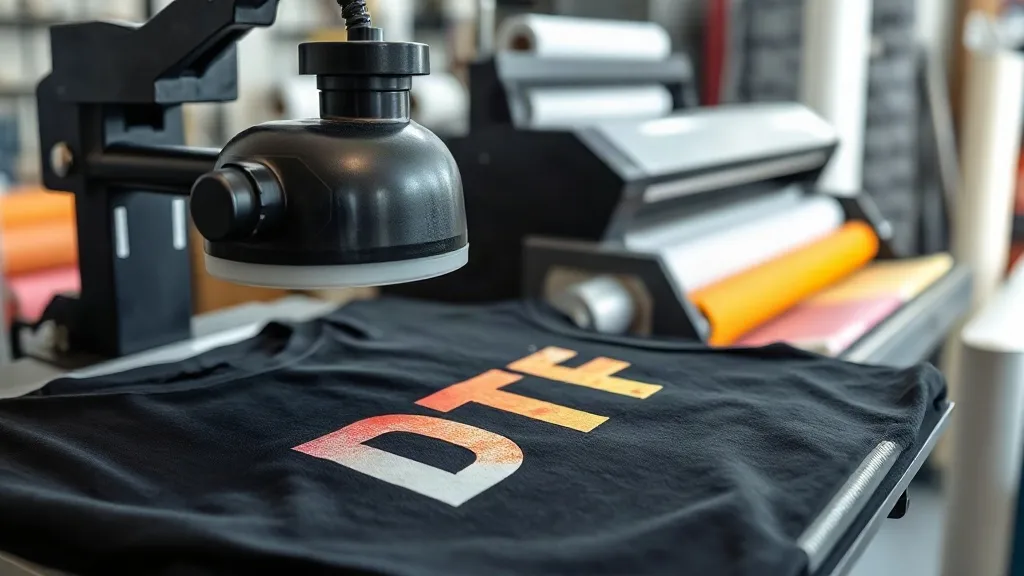
In the competitive world of custom apparel printing, staying ahead means embracing technology that delivers both quality and efficiency. DTF transfers have emerged as a game-changer, allowing print shops to produce vibrant, durable designs on a wide range of fabrics with remarkable ease. Whether you're a seasoned pro or just starting out, understanding the ins and outs of DTF printing can set your shop apart and open up new revenue streams.
What Are DTF Transfers?
DTF stands for Direct-to-Film, a printing method where your design is printed onto a special film, coated with adhesive powder, and then heat-pressed onto the garment. Unlike DTG (Direct-to-Garment) printing, which requires pre-treatment and works best on cotton, DTF transfers adhere to almost any fabric, including polyester, blends, and even nylon. This versatility makes dtf a favorite among shops looking to offer diverse options without investing in multiple technologies.
The DTF Printing Process
The process begins with a digital printer that lays down CMYK inks plus white ink onto a PET film. The white ink acts as a base, ensuring colors pop on dark fabrics. After printing, the film is dusted with a hot-melt adhesive powder, which is then melted into the ink using a heat source. The resulting transfer is ready to be applied to fabric using a heat press. The entire workflow is streamlined, allowing for quick turnaround times and minimal waste.
Why Choose DTF Transfers for Your Shop?
There are several compelling reasons why dtf transfers have become a staple in many print shops. First and foremost is fabric versatility. You can apply DTF transfers to cotton, polyester, blends, and even specialty fabrics like canvas and denim. This means you can cater to a broader clientele without needing multiple printers or processes.
Second, DTF transfers offer exceptional durability. When applied correctly, the prints withstand repeated washing without cracking, fading, or peeling. This is crucial for customer satisfaction, especially for items like team jerseys or workwear that endure heavy use.
Third, the cost-effectiveness is undeniable. DTF requires no pre-treatment, and the materials are relatively inexpensive compared to other methods. You can print designs on demand, reducing inventory waste and allowing for profitable short runs.
Unmatched Versatility
One of the biggest advantages of DTF is its ability to print on hard-to-handle fabrics. Traditional methods like screen printing struggle with polyester and blends, often requiring special inks and extensive setup. DTF sidesteps these issues entirely. Whether you're printing on performance wear, nylon jackets, or even leather, DTF delivers consistent results.
Cost-Effective Production
For small to medium-sized shops, DTF is a budget-friendly option. The setup cost is lower than DTG or screen printing, and you can print one-off designs without incurring high per-unit costs. This makes it ideal for custom orders, samples, and limited editions. Additionally, the ability to gang multiple designs onto a single sheet (gangsheet) maximizes material usage and reduces waste.
Getting Started with DTF Transfers
If you're new to DTF, the learning curve is relatively gentle. Here's what you need to get started:
- DTF Printer: A dedicated DTF printer with white ink capability. Prices have dropped significantly, making them accessible to small shops.
- PET Film: Special coated film designed for DTF printing. It comes in various sizes, including sheets and rolls.
- Adhesive Powder: Hot-melt powder that bonds the ink to the fabric. Available in fine and coarse grades.
- Heat Press: A reliable heat press capable of consistent temperature and pressure. A clamshell or swing-away press works well.
- Design Software: Any graphic design software (e.g., Adobe Illustrator, CorelDRAW) to prepare your artwork.
Once you have your equipment, the process is straightforward: print, powder, cure, and press. With a bit of practice, you'll be producing professional-quality transfers in no time.
Tips for Flawless DTF Transfers
To ensure your DTF transfers look great and last long, follow these best practices:
- Preheat the garment: Remove moisture and wrinkles before pressing.
- Use the right settings: Temperature, pressure, and time vary by fabric and transfer type. Always test first.
- Peel correctly: Wait for the transfer to cool completely before peeling the film for a matte finish, or peel hot for a glossy look.
- Store transfers properly: Keep unused transfers in a cool, dry place away from direct sunlight.
For more detailed guidance, check out our dtf transfers collection.
Finding Reliable DTF Transfers Near Me
As a shop owner, sourcing high-quality DTF transfers is critical. If you're searching for dtf transfers near me, consider factors like turnaround time, print quality, and customer service. Establishing a relationship with a reputable supplier ensures consistent results and keeps your production running smoothly. Many suppliers offer online ordering with fast shipping, so you can get transfers delivered right to your door.
Common DTF Challenges and Solutions
Even with a reliable process, you might encounter issues. Here are some common problems and how to fix them:
- Ink cracking: Usually caused by insufficient pressure or incorrect temperature. Adjust your press settings.
- Poor adhesion: Ensure the garment is clean and preheated. Also, check that the powder is fully cured.
- Color fading: Use high-quality inks and store transfers properly. Wash garments inside out in cold water.
Maximizing Profit with DTF Transfers
DTF transfers can be a significant profit center if managed well. By offering quick turnaround and versatile fabric options, you can attract more customers and command higher prices. Consider bundling DTF with other services like screen printing for large orders, using DTF for samples and small runs. Also, educate your customers on the benefits of DTF to justify pricing.
Frequently Asked Questions
What fabrics can I use with DTF transfers?
DTF transfers work on almost any fabric, including cotton, polyester, blends, nylon, canvas, and denim. They are not recommended for fabrics with special coatings or waterproof treatments.
How long do DTF transfers last?
With proper application and care, DTF transfers can last as long as the garment itself. They withstand repeated washing without cracking or fading.
Do I need a special printer for DTF?
Yes, you need a DTF printer that supports white ink. However, you can also buy pre-printed DTF transfers from suppliers if you don't want to invest in a printer.
Can I use DTF transfers on dark colors?
Absolutely. DTF transfers include a white ink base that makes colors pop on dark fabrics. This is one of the key advantages over DTG printing.
What is the best way to store DTF transfers?
Store unused transfers in a cool, dry place, away from direct sunlight and moisture. Keep them flat to avoid creasing.