
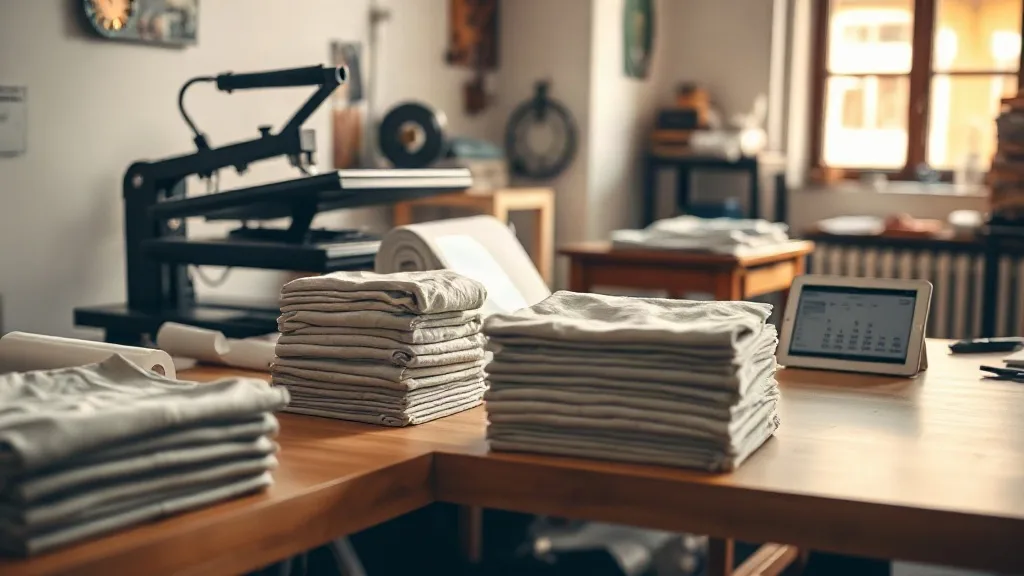
Every print shop owner has lived the same small disaster. A customer orders two dozen tees for a family reunion, you pull a stack of blanks off the shelf, press the design, bag the order, and hand it over. Two weeks later the phone rings. The shirts shrank a full size after one wash, the collar curled, and the print cracked along the shoulder seam. You refund the order, eat the cost of the blanks and the transfers, and quietly lose a customer who was about to order team jerseys for a whole softball league. The design was fine. The press settings were fine. What failed was the blank, and that is exactly the part of the job most shops treat as an afterthought.
This is where smart blanks earn their place in your workflow. They are not a marketing gimmick or a premium upsell you bolt onto the invoice at the last minute. They are the foundation that decides whether a custom apparel job turns into a profit or a refund, and the shops that understand this tend to be the ones that stay booked months out.
What Actually Makes a Blank Smart
The word gets thrown around loosely, so it helps to be specific. A blank earns the label when it holds up through the full life of a printed garment, not just the first fitting. That means consistent fabric weight from size to size, a stitch density that survives a heat press without puckering, and a dye process that does not bleed into a white underbase after the first wash.
Printers notice these things in ways customers never articulate. A blank that is even slightly off-grain will torque after pressing, so the side seam drifts forward and the whole shirt looks crooked on the body. A blank with a loose knit lets plastisol or DTF adhesive sink too deep, and the print feels stiff and heavy. When you run a few hundred pieces a week, these small failures compound into real money: reprints, remakes, and the kind of Google review that scares off future orders.
Good blanks also behave predictably in the dryer. Shops that cure at consistent temperatures know that a fabric with uneven shrinkage rates will come out of the tunnel looking like it was cut by hand. Smart blanks shrink at a known, minimal rate, so what you press is what the customer receives.
Why Blanks Quietly Decide Your Margins
Most pricing conversations in this industry revolve around the print: transfer cost, press time, labor, and the design itself. The blank gets penciled in as a line item and forgotten. That is backwards. On a typical tee order, the blank can represent anywhere from a third to half of your total material cost, and a cheap blank that fails costs you far more than the few cents you saved.
Run the math on a 50-piece order. Suppose you save 40 cents per shirt by switching to a lower-grade blank. That is 20 dollars in savings. Now suppose three of those shirts come back with collar issues and you replace them, plus you spend twenty minutes on the phone smoothing things over. You have already lost the savings and then some. If the customer decides not to reorder next season, the real cost is the lifetime value of that account, which for a school or a small business can run into thousands of dollars.
This is the argument for treating blank selection as a profit decision rather than a purchasing decision. Shops that standardize on reliable blanks spend less time on remakes, quote faster because they know their costs, and build a reputation that lets them charge a little more without hearing complaints.
Where Shaka Wear Fits Into a Serious Blank Strategy
If you have spent any time in wholesale apparel circles, you have probably noticed how often shaka wear comes up in conversations about dependable streetwear and everyday blanks. The line has earned a following among printers for the same reasons a good workhorse blank always does: consistent sizing, a hand feel that customers actually like wearing, and enough structure to hold a print without feeling like cardboard.
What makes Shaka Wear useful in a mixed catalog is range. You can build a menu around it for everything from heavyweight tees to hoodies and keep a similar fit profile across the line, which simplifies your size chart and reduces the number of SKUs you need to stock. For shops doing a lot of local business, school spirit wear, or small brand launches, that consistency is worth more than a few cents of savings on an off-brand alternative.
The practical move is to test a few styles against your most common print methods. Run a DTF transfer on a Shaka tee, wash it five times, and see how the print holds. Do the same with a screen print. Once you know how the blank behaves, you can quote with confidence instead of hedging.
Building a Blank Menu That Works for Your Shop
Stocking every blank under the sun is a recipe for dead inventory. The smarter approach is to build a small, intentional menu that covers most of the orders you actually get, then special-order the rest.
- Pick two or three core blanks for your highest-volume categories, such as a standard tee and a midweight hoodie.
- Add one premium option for customers who ask for something softer or heavier.
- Keep a small stock of youth and extended sizes so you are not turning away family orders.
- Track which blanks generate the fewest complaints and the most reorders, and let that data guide future buying.
When you treat your blank menu as a curated list rather than a catalog dump, you make faster decisions at the counter, reduce the chance of grabbing the wrong shirt during a rush, and give customers a clearer sense of what they are getting.
The Customer Experience Side of Blank Selection
Customers rarely ask about fabric weight or stitch density, but they absolutely feel the difference. A shirt that drapes well and keeps its shape gets worn constantly, and a worn shirt is a walking advertisement for your shop. The opposite is also true. A stiff, pilly tee ends up in the bottom of a drawer, and the customer remembers who printed it.
This is where the smart blanks conversation becomes a sales tool. When a customer is choosing between two quote options, you can explain the difference in plain terms: this one holds its shape after fifty washes, this one is lighter and better for summer events, this one is the heavyweight option the local teams keep reordering. That kind of guidance builds trust and often moves the customer toward the higher-margin option because they understand what they are paying for.
It also helps with one of the most common friction points in custom apparel: sizing. Blanks that run true to size reduce the back-and-forth about whether to size up, which means fewer exchanges and less time spent on customer service.
A Simple Test Before You Commit to Any Blank
Before you build a whole menu around a new blank, run a small trial. Order a handful in your most common sizes, print them with the methods you use most, and put them through a realistic wash cycle. Check the collar, the side seams, the print edges, and the overall fit after drying. If the blank survives that without surprises, it is worth stocking. If it does not, you have saved yourself a much larger headache.
This trial costs a few dollars and an afternoon. Skipping it costs reprints, refunds, and reputation. The shops that run this test as a habit tend to be the ones whose customers stop shopping around.
Frequently Asked Questions
What is the difference between smart blanks and regular wholesale blanks?
The label mostly refers to consistency and printability. Smart blanks are chosen for predictable shrinkage, stable fabric weight, and a surface that accepts DTF, screen print, and embroidery without distortion. Regular blanks can vary batch to batch, which makes them riskier for repeat orders.
How do I know if a blank will hold up to DTF transfers?
Press a test piece, wash it several times, and inspect the edges of the transfer. If the print lifts at the corners or feels rubbery and stiff, the fabric is either too loose or the adhesive is not bonding properly. A blank with a tighter knit and a smooth surface generally performs better.
Is it worth paying more for Shaka Wear blanks?
For many shops, yes. The higher upfront cost is usually offset by fewer remakes, fewer complaints, and stronger reorder rates. If your customers care about fit and feel, the premium blank often pays for itself over the life of the account.
How many blank styles should a small print shop stock?
Most small shops do well with three to five core styles covering tees, hoodies, and a premium option, plus a small stock of youth and extended sizes. Anything beyond that tends to sit on the shelf and tie up cash.
Can I mix smart blanks and Shaka Wear in the same order?
Yes, and many shops do. The key is to keep the fit profile reasonably consistent so the customer is not surprised by a size difference between styles. Test both lines in your most common sizes before quoting a mixed order.