
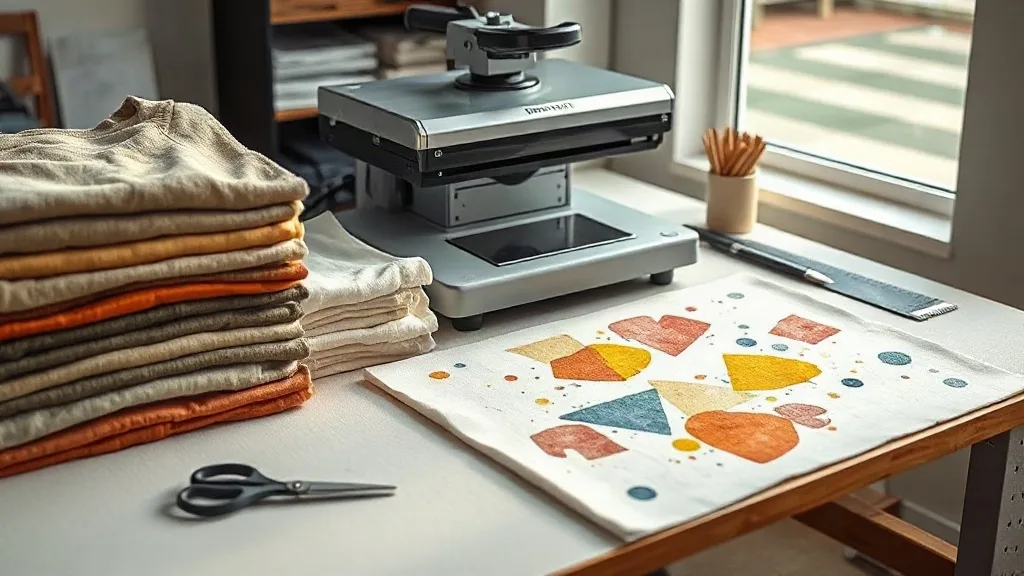
Every print shop owner eventually learns the same lesson: the blank decides whether your artwork looks premium or cheap. You can dial in perfect pressure and temperature, but if the shirt under the transfer is thin, twisted, or scratchy, the customer feels it before they ever admire the design. That is why so many shops keep coming back to shaka wear, a heavyweight streetwear label whose blanks have quietly become a favorite base for DTF work. This guide is about getting real value out of those blanks, not just ordering them and hoping for the best.
What Makes a Blank Worth Printing On
Most customers do not know the word "blank." They know how a shirt feels in the fitting room and how it holds up after five washes. A blank earns repeat business when it survives both tests, and heavyweight cotton styles from Shaka Wear tend to do exactly that. The fabric is dense enough to hold shape, the stitching is consistent, and the surface takes a transfer without the puckering you see on flimsier goods.
There is a practical angle here too. When a blank has a stable, tightly knit face, your DTF film adheres more evenly, which means fewer reprints and less time spent peeling bad transfers off ruined shirts. That single detail can change your week.
Weight and Drape Matter More Than You Think
A heavyweight tee drapes differently than a mid-weight one. It hangs straighter, hides body lines better, and photographs well, which matters if you sell online. Shaka Wear's boxier fits suit the oversized streetwear look that younger buyers keep asking for. If your catalog is full of slim-fit basics, adding a boxy heavyweight option is one of the easiest ways to widen your audience without learning a new craft.
Color Range and Consistency
Repeat orders live and die on color matching. A customer who orders twenty shirts in a specific shade and gets a slightly different shade six weeks later will notice. Before you commit to a large run, order a sample of the exact colorway you plan to use, press a test transfer, and photograph it under neutral light. Keep that photo on file as your reference. It takes ten minutes and saves arguments later.
Matching Your Press Settings to Heavyweight Cotton
Heavyweight cotton is forgiving, but it is not automatic. The thicker the fabric, the more heat and time it takes for the adhesive to fully activate through the weave. A setting that works on a thin tri-blend will often under-cure on a dense cotton tee, and an under-cured transfer is the number one cause of wash-out complaints.
Start with a middle-of-the-road baseline, then adjust in small steps. Press a test piece, let it cool completely, and peel. If the film fights you or leaves adhesive residue on the carrier sheet, the transfer needed more time or more pressure. If the print looks flattened and shiny, you went too hot. Write down what worked for each fabric weight you stock, because your future self will not remember.
Pre-Pressing Is Not Optional
Cotton shrinks and holds moisture. A five-second pre-press removes both problems and gives the film a flat surface to bond with. Skipping this step is the quiet reason some shops get inconsistent results on the same blank, same press, same settings. It is not the equipment. It is the moisture.
Cool Peel, Then Wash Test
Always peel cool unless your film manufacturer says otherwise, then run at least one wash test on a scrap piece before you ship a full order. Wash it inside out, normal cycle, and inspect the edges. If the edges lift, adjust your press before the next run, not after the customer complains.
Building a Gangsheet That Fits Your Shaka Wear Orders
Here is where the workflow gets interesting. Heavyweight blanks are not cheap, so waste hurts more. Every inch of unused film on a gangsheet is money you paid for and did not use. That is the case for using a DTF Gangsheet Builder to plan your layout before you send anything to print. Instead of guessing how many designs fit on a sheet, you place them, see the gaps, and fill them.
A good builder lets you drag designs, resize them, and check the total sheet size against the film roll you actually have in stock. For a shop running mixed orders, that means you can combine a batch of small chest logos with a few large back prints and still fill the leftover space with test designs or best-selling stickers. The sheet you send to production is the sheet you planned.
A Simple Planning Routine
- List every design needed for the week's orders, grouped by size.
- Open the builder and place the largest designs first, since they constrain the layout most.
- Fill remaining space with smaller repeat sellers or sample designs.
- Check the total dimensions against your roll width before confirming.
- Save the layout so you can repeat it for recurring orders.
That last step is the one most shops skip, and it is the one that pays off. Once you have a layout that fits your most common order mix, reusing it turns a planning task into a two-minute job.
Group Orders by Fabric, Not Just by Customer
If you are pressing several orders in one session, sort them by blank type rather than by customer name. All the heavyweight cotton jobs go together, then the blends, then the performance fabrics. You set the press once per group instead of once per shirt, and you cut the risk of pressing a delicate fabric at a heavy-cotton setting.
Turning Blanks Into a Selling Point
Customers rarely ask what blank you use, but they respond when you tell them. A short line on your product page, something like "printed on heavyweight cotton with a boxy fit," does more than a paragraph of marketing language. It signals that you thought about the garment, not just the graphic.
Shaka Wear fits neatly into that story because the brand already carries streetwear credibility. You are not inventing a premium claim. You are simply naming the base you chose and explaining why. For shops selling to local crews, gyms, bands, and small brands, that transparency builds trust fast.
Bundle Blanks With Design Services
One of the most effective moves is to offer a package: the customer picks a heavyweight blank, you handle the design placement, and you quote a single price. It removes the decision fatigue that kills small orders and positions you as the person who solves the whole problem. The margin on the blank becomes part of the package rather than a line item customers can shop around.
Common Mistakes to Avoid
- Ordering a large run of a new color without pressing a single test piece first.
- Using the same press settings for every fabric weight in your shop.
- Packing a gangsheet by eye instead of planning it, then paying for empty film.
- Skipping the wash test because the order is due tomorrow.
- Never telling customers what blank they are buying, then wondering why price is the only conversation.
Frequently Asked Questions
Do DTF transfers work well on heavyweight cotton blanks?
Yes, and heavyweight cotton is one of the easier surfaces to print on because the tight weave gives the adhesive a stable base. The main adjustment is heat and dwell time: thicker fabric needs a little more of both to fully cure the adhesive through the weave. Always confirm with a cool peel and a wash test before running a full order.
How do I choose between a mid-weight and a heavyweight blank for a customer?
Ask what the shirt is for. Event merch and giveaways usually suit mid-weight because it is lighter and cheaper. Retail-style pieces, streetwear drops, and anything a customer plans to wear weekly justify the heavier option. Show both if you can. Most buyers pick the heavier one once they feel the difference.
Can I mix different designs on one gangsheet for a single order?
Absolutely, and that is often the smartest use of the sheet. Combine front logos, back prints, and sleeve designs for the same order so the film is fully used. Just keep the layout organized by size so cutting and sorting after printing stays simple.
What is the biggest cause of transfers peeling off heavyweight shirts?
Incomplete curing, almost every time. Heavyweight fabric absorbs heat, so a press setting that worked on a thin shirt may leave the adhesive under-activated on a dense cotton tee. Increase dwell time in small increments, test, and record what worked. Moisture from skipping the pre-press is the second most common culprit.
Should I list the blank brand on my product pages?
For most shops, yes. Naming the blank tells buyers you made a deliberate choice and gives them something concrete to compare. It also reduces returns from customers who expected a different fit. Keep it to one clear sentence and focus on the benefit, like the weight and the fit, rather than a full spec sheet.