
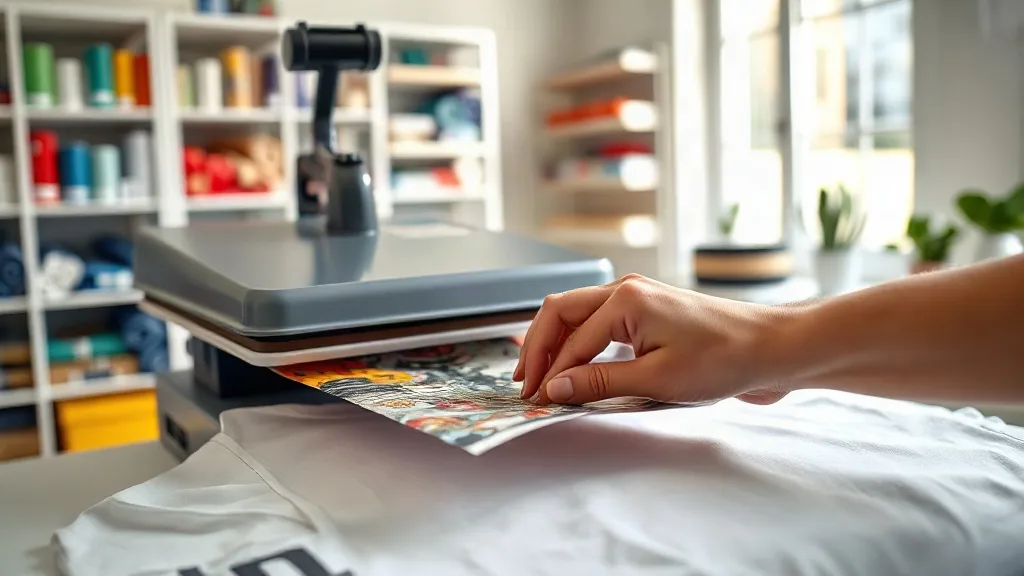
When a friend asked me to print 20 custom T-shirts for a local charity run last spring, I thought it would be a breeze. I had a decent inkjet printer, some transfer paper, and a heat press I’d used for small projects. But the results were disappointing: cracked prints, faded colors after the first wash, and a frustrating mess of weeding and aligning. That’s when I discovered dtf transfers, and it genuinely changed the way I approach custom apparel. If you’ve been struggling with traditional heat transfer vinyl or screen printing for short runs, this guide will walk you through everything you need to know about DTF transfers, from what they are to how to apply them like a pro and scale your production without losing your sanity.
What Are DTF Transfers and Why They Matter
DTF stands for Direct to Film. It’s a printing method where your design is printed onto a special PET film using water-based pigment inks, then coated with a hot-melt adhesive powder. Once the powder is cured, the transfer is ready to be applied to fabric with a heat press. Unlike DTG (Direct to Garment) printing, which requires the shirt to be loaded into a specialized printer, DTF transfers are printed separately and can be stored until you need them. This decoupling of printing and application is a game-changer for small businesses and hobbyists because it means you can produce transfers in bulk, store them, and apply them on demand without tying up your press or printer.
What makes dtf particularly appealing is its versatility. You can apply DTF transfers to almost any fabric: cotton, polyester, blends, even nylon and canvas. The colors are vibrant, the detail is sharp, and the prints stretch with the fabric without cracking. For anyone who’s ever struggled with vinyl weeding or the limitations of sublimation on dark shirts, DTF feels like a liberation.
How DTF Transfers Compare to Other Printing Methods
Before you invest in DTF, it helps to understand how it stacks up against the alternatives. Let’s break down the most common methods:
- Screen Printing: Excellent for large orders and bold designs, but setup costs are high and short runs are expensive. DTF wins for small batches and detailed designs.
- Heat Transfer Vinyl (HTV): Great for simple shapes and text, but weeding is time-consuming and multi-color designs are tedious. DTF handles complex artwork with ease.
- Direct to Garment (DTG): Good for cotton, but colors can be muted on dark fabrics and the printer is costly. DTF works on any color and fabric.
- Sublimation: Only works on polyester and light-colored fabrics. DTF is far more versatile.
In my experience, DTF strikes the best balance between quality, cost, and flexibility for small to medium runs. It’s also more forgiving than DTG when it comes to fabric choice, which is a huge plus if you’re printing on a variety of garments.
Choosing the Right DTF Transfers for Your Needs
Not all DTF transfers are created equal. The quality of the film, the ink, and the adhesive powder all affect the final result. When you’re searching for dtf transfers near me, keep these factors in mind:
Film Quality
The PET film should be coated evenly to hold the ink and release cleanly. Cheap films can cause ink bleeding or incomplete transfer. Look for films that are specifically designed for DTF; they’ll have a matte side for printing and a glossy side for the adhesive.
Ink and Color Vibrancy
Water-based pigment inks are standard, but the quality varies. High-opacity white ink is crucial for printing on dark fabrics. If the white layer is too thin, colors will look washed out. Reputable suppliers will provide color profiles and recommend settings for your printer.
Adhesive Powder
The hot-melt powder is what makes the transfer stick. Finer powders (around 80-100 microns) give a softer hand feel, while coarser powders are more durable but can feel stiff. For apparel that touches the skin, finer is better.
Pre-Printed vs. DIY
You can buy pre-printed DTF transfers from suppliers or print your own if you have a DTF printer. For beginners, pre-printed transfers are a low-risk way to start. Once you’re comfortable, you can invest in a printer and produce your own designs on demand.
Step-by-Step Guide to Applying DTF Transfers
Applying a DTF transfer is straightforward, but the details matter. Here’s my tried-and-true process:
- Preheat the garment: Set your heat press to 150-160°C (300-320°F). Pre-press the shirt for 5-10 seconds to remove moisture and wrinkles. This step is often overlooked but crucial for adhesion.
- Position the transfer: Place the DTF transfer on the shirt with the printed side facing up. The adhesive powder side should be touching the fabric. Use heat-resistant tape if needed to keep it in place.
- Press: Apply medium pressure (around 40-60 PSI) for 10-15 seconds. If you’re using a home iron, press firmly for 20-30 seconds, but a heat press is far more consistent.
- Peel: Wait a few seconds for the transfer to cool slightly, then peel the film off in a smooth, steady motion. If you peel too soon, the design may smear; too late, and it might crack. I find that peeling while it’s still warm but not hot works best.
- Post-press: Cover the design with a Teflon sheet or parchment paper and press for another 5 seconds to set the adhesive. This step improves wash durability.
And that’s it. The whole process takes less than a minute per shirt once you get the hang of it.
Troubleshooting Common DTF Transfer Issues
Even with experience, things can go wrong. Here’s how to fix the most common problems:
- Transfer not sticking: Likely insufficient pressure or temperature. Check your press settings and ensure the garment is flat.
- Cracking after washing: Usually caused by under-curing the adhesive or stretching the fabric too much during peeling. Post-press for a few extra seconds and wash inside out in cold water.
- Faded colors: If the colors look dull, the white ink layer may be too thin. Try a transfer with higher ink coverage or adjust your printer settings.
- Film not releasing: This happens if the transfer is too hot or too cold. Let it cool for a couple of seconds before peeling.
I keep a notebook with settings for each fabric type I use; it saves time and reduces waste.
Scaling Up: From Hobby to Business
Once you’re comfortable with DTF, you might want to turn it into a side hustle or a full-time business. The good news is that DTF scales well. You can start with a desktop DTF printer and a small heat press, then upgrade to a roll-to-roll printer and a pneumatic press as demand grows. Because transfers can be printed in advance and stored, you can batch production and apply them as orders come in, which is far more efficient than printing each shirt individually.
When I started selling custom apparel, I offered a 48-hour turnaround. By printing transfers in batches and pressing on demand, I could meet that promise without working late nights. The key is to keep a library of popular designs pre-printed and ready to go.
Where to Find Quality DTF Transfers
If you’re not ready to print your own, finding a reliable supplier is essential. Look for suppliers who specialize in DTF and offer samples. Check reviews for color accuracy and durability. Many suppliers now offer custom transfer services where you upload your design and they ship the printed transfers to you. This is a great option for those who want to test the waters without investing in equipment.
For those in the US, searching for dtf transfers near me can help you find local suppliers who offer faster shipping and personalized service. Local suppliers also let you pick up orders in person, which can be a lifesaver when you’re on a tight deadline.
Frequently Asked Questions
How long do DTF transfers last on a shirt?
With proper application and care, DTF transfers can last as long as the garment itself. Wash inside out in cold water and avoid harsh detergents. I’ve had shirts with DTF prints that have gone through dozens of washes without fading or cracking.
Can I use DTF transfers on dark and light fabrics?
Yes, DTF works on both. The white ink layer provides a base for colors to pop on dark fabrics, while on light fabrics the white layer can be omitted or kept thin. It’s one of the few methods that truly works on any color.
What fabrics are not suitable for DTF?
DTF adheres best to fabrics with some texture, like cotton, polyester, and blends. It may not work well on heavily textured fabrics like ribbed knits or on waterproof materials. Always test on a scrap piece first.
Do I need a special printer for DTF?
You can buy a dedicated DTF printer, or convert a regular inkjet printer with DTF ink and film. However, dedicated printers are more reliable and produce consistent results. If you’re just starting, consider outsourcing your transfers to a supplier.
How should I store unused DTF transfers?
Store them in a cool, dry place away from direct sunlight. Keep them flat to avoid creasing. Properly stored transfers can last for months without losing adhesion.