
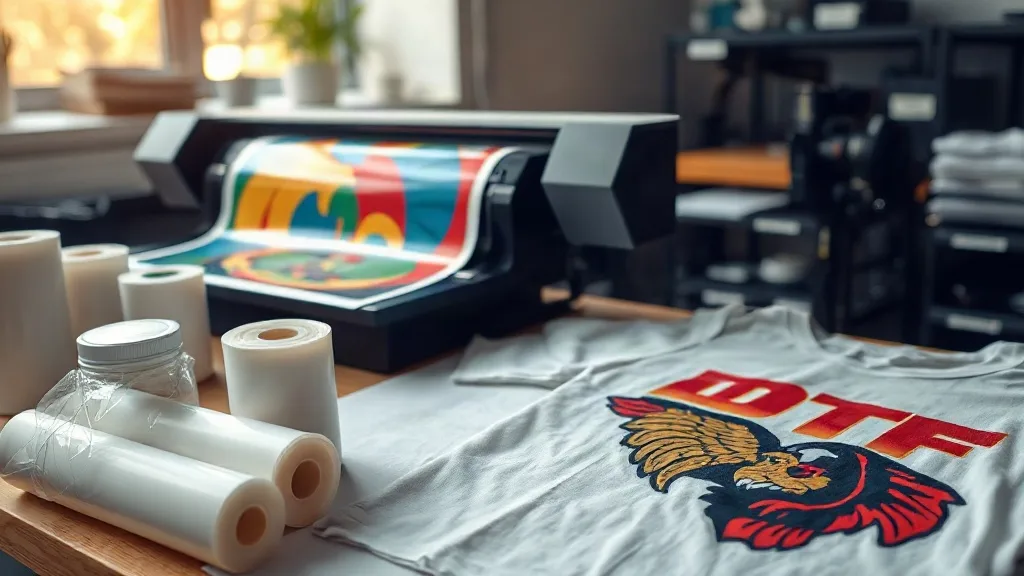
When you first start exploring custom apparel, the sheer number of printing methods can feel overwhelming. Screen printing, vinyl, sublimation, and dtf transfers all compete for your attention, each with its own quirks and best-use cases. But if you talk to shop owners who have been in the game for a while, you'll notice a pattern: many of them are quietly shifting a big chunk of their production to DTF. Why? Because it solves problems that other methods can't, especially for small businesses that need flexibility without sacrificing quality.
In this guide, I'll walk you through the ins and outs of DTF printing, from picking the right film and powder to nailing the application process and scaling your operation. I'll also share some hard-earned lessons that can save you from costly mistakes. Whether you're a solo entrepreneur or running a growing print shop, there's something here for you.
What Exactly Are DTF Transfers?
DTF stands for Direct-to-Film. The process involves printing your design onto a special film, coating it with adhesive powder, and then heat-pressing it onto a garment. Unlike DTG (Direct-to-Garment), which prints directly onto the fabric, DTF uses a transfer step. This might sound like an extra hassle, but it opens up a world of possibilities.
The beauty of dtf is its versatility. You can print on almost any fabric: cotton, polyester, blends, even nylon and leather. That's a huge advantage over DTG, which struggles with high-polyester content, and screen printing, which requires different setups for different colors. With DTF, one printer and one process can handle a wide range of materials.
Another key benefit is the ability to produce full-color, photographic-quality prints without the setup costs of screen printing. For small batches or one-off custom pieces, DTF is often the most economical choice. Plus, the prints are stretchable and durable, which is why they've become a favorite for sportswear and streetwear brands.
Choosing the Right DTF Film and Powder
Not all DTF films are created equal. The film you choose affects print quality, ease of use, and durability. Here's what to look for:
- Film thickness: Thinner films (around 75 microns) are generally easier to handle and produce a softer hand feel. Thicker films (100 microns or more) can be more forgiving during transfer but may feel stiffer on the garment.
- Coating quality: A good film has a consistent coating that holds the ink and powder evenly. Cheap films often have uneven coating, leading to patchy transfers or powder sticking where it shouldn't.
- Peel type: Films come in hot peel and cold peel varieties. Hot peel films allow you to remove the carrier sheet immediately after pressing, which speeds up production. Cold peel films require the transfer to cool completely before peeling, but they often produce a slightly softer finish.
As for powder, you'll encounter two main types: TPU (thermoplastic polyurethane) and PA (polyamide). TPU powder is softer and more elastic, making it ideal for stretchy fabrics. PA powder is more rigid but offers excellent wash durability. For most apparel applications, TPU is the safer bet.
When sourcing supplies, don't skimp on quality. Off-brand films and powders might save you a few cents per sheet, but they'll cost you more in wasted time, misprints, and unhappy customers. Stick with reputable suppliers who guarantee consistency.
The Application Process: Step by Step
Getting a perfect DTF transfer requires attention to detail at every stage. Here's a breakdown of the process, along with tips to avoid common pitfalls.
1. Printing the Design
Start with a high-resolution image (300 DPI is standard). Your DTF printer will lay down a layer of white ink first, followed by CMYK colors. The white layer is crucial because it acts as an opaque base, allowing the colors to pop on dark garments. Make sure your printer is well-maintained; clogged nozzles or uneven ink flow will show up as banding or weak spots in the final transfer.
Pro tip: Always print a test sheet after changing ink or film. It's better to waste a few cents on a test than to ruin a large gangsheet.
2. Applying the Powder
While the ink is still wet, sprinkle the adhesive powder evenly over the printed area. You can use a powder shaker for larger batches or a simple scoop for small runs. Then, shake off the excess powder. You want a thin, uniform layer. Too much powder leads to a stiff, crusty feel; too little results in poor adhesion.
After powdering, you need to cure the powder. This is typically done with a heat gun or a dedicated powder curing oven. The powder should melt and become glossy, but be careful not to overheat, as that can cause the film to warp.
3. Heat Pressing
Set your heat press to the temperature recommended by your film supplier (usually around 300°F to 320°F). Place the garment on the press, position the transfer with the printed side down, and press for 10-15 seconds with medium pressure. If you're using a cold peel film, remove the garment and let it cool completely before peeling the carrier sheet. For hot peel, peel immediately in a smooth, steady motion.
One common mistake is applying too much pressure. Excessive pressure can cause the ink to spread, leading to a blurred or haloed effect. Aim for firm, even pressure, but don't force it.
4. Post-Press Care
After peeling, you might notice a slightly glossy finish. Some people prefer to give it a quick second press with a Teflon sheet or parchment paper for a matte look. Also, check the edges: if the transfer isn't adhered properly, you can re-press for a few seconds.
Scaling Your DTF Operation
Once you've mastered the basics, you'll likely want to increase production. Here's how to scale without sacrificing quality.
Invest in a Reliable Printer
Entry-level DTF printers are fine for testing the waters, but as demand grows, you'll need a printer that can handle continuous use. Look for models with robust printheads, efficient ink systems, and good support. Brands like Epson and Ricoh are popular in the DTF space, but there are also specialized DTF printer manufacturers. Do your research and read reviews from other shop owners.
Use Gangsheets to Maximize Efficiency
A gangsheet is a large sheet where you arrange multiple designs to be printed at once. This minimizes waste and maximizes throughput. Software like Canva or specialized RIP software can help you nest designs efficiently. When building gangsheets, leave enough space between designs for easy cutting and powdering.
If you're looking for a reliable supplier of gangsheets, check out dtf transfers near me services. They can provide pre-printed gangsheets or custom prints, saving you the hassle of in-house production.
Streamline Your Workflow
Organize your workspace for efficiency. Keep films, powders, and tools within easy reach. Use a heat press with a large platen to handle multiple garments at once. Consider a conveyor dryer for curing powder if you're doing high volume. And don't forget about quality control: inspect each transfer before packaging.
Offer Fast Turnaround
Customers love quick service. With DTF, you can often offer same-day or next-day turnaround, which is a huge competitive advantage. Promote this in your marketing. Also, consider offering dtf transfers near me as a search term; local customers often prefer to work with someone nearby for faster delivery and easier communication.
Common Mistakes and How to Avoid Them
Even experienced printers run into issues. Here are some of the most common DTF problems and their solutions.
- Peeling prints after washing: This usually means insufficient powder or improper curing. Ensure you apply enough powder and cure it fully. Also, check your heat press temperature and pressure.
- Cracking: Cracking can occur if the transfer is stretched too much during application or if the garment is stretched excessively during wear. Using a stretchable TPU powder and pressing at the correct temperature can help.
- Color fading: Fading after washing is often due to low-quality ink or improper curing. Use high-quality inks and follow the curing guidelines.
- Film jams: This can happen if the film is not fed straight or if the printer's rollers are dirty. Regular maintenance and careful loading prevent jams.
Frequently Asked Questions
How durable are DTF transfers?
When applied correctly, DTF transfers can withstand 50+ washes without significant fading or cracking. Proper powder application and curing are key to durability.
Can I use DTF on dark garments?
Absolutely. DTF uses a white ink base, so colors remain vibrant on dark fabrics. This is one of its biggest advantages over other methods.
What's the difference between hot peel and cold peel DTF film?
Hot peel film allows you to remove the carrier sheet immediately after pressing, speeding up production. Cold peel requires the transfer to cool before peeling, which can result in a softer finish.
Do I need a special printer for DTF?
Yes, DTF requires a printer that can handle DTF film and white ink. You can convert some inkjet printers, but dedicated DTF printers are recommended for reliability and quality.
How do I find a reliable DTF transfers supplier near me?
Search online for dtf transfers near me and read reviews. Look for suppliers with good turnaround times, consistent quality, and responsive customer service. Local suppliers can be a great asset for quick reorders.