
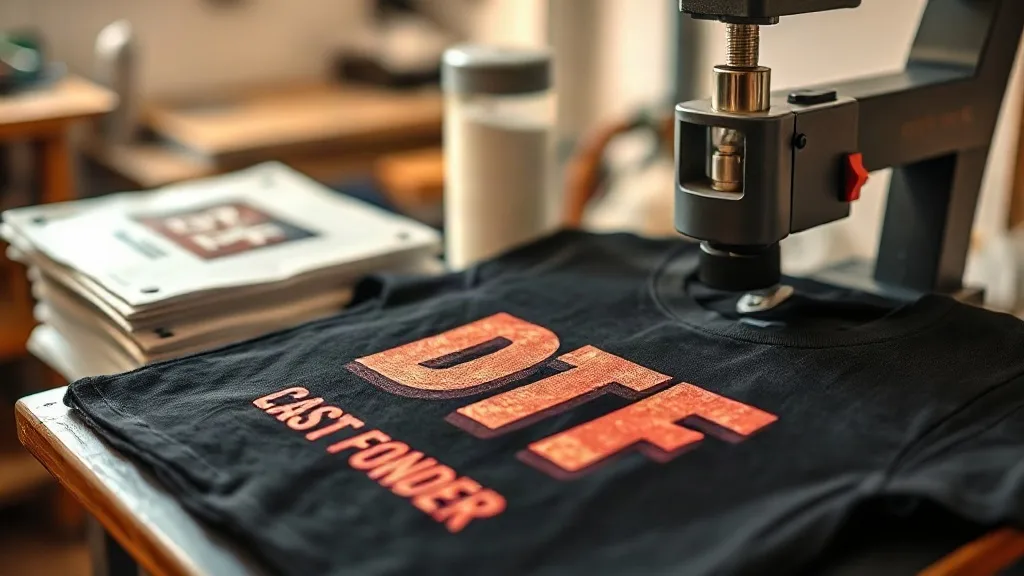
When you first start printing custom apparel, the choices can feel endless. Screen printing, vinyl, sublimation, and now dtf transfers each promise something different. But if you are running a small shop or building a brand, you need a method that balances quality, speed, and cost. DTF, or direct-to-film, has quickly become a favorite for its ability to print full-color designs on almost any fabric without the setup hassle of screens. In this guide, I will walk you through everything I have learned about dtf transfers, from picking the right supplies to scaling your operation. Whether you are a beginner or looking to refine your process, these insights will help you get vibrant, durable prints that keep customers coming back.
What Are DTF Transfers and Why They Matter
DTF transfers are printed on a special film, coated with a thermoplastic powder, and then heat-pressed onto fabric. Unlike direct-to-garment (DTG) printing, which requires pretreatment and works best on cotton, DTF adheres to cotton, polyester, blends, and even nylon. The process involves printing a mirror image onto film, applying adhesive powder, and curing it. The result is a flexible, stretchable print that holds up wash after wash.
What makes DTF stand out is its versatility. You can print on dark colors without a white underbase, and the color vibrancy is exceptional. For small businesses, the low startup cost and minimal space requirements make it an attractive alternative to screen printing. I have seen shops transition from screen printing to DTF for short runs and never look back.
Choosing the Right DTF Supplies
The quality of your DTF transfers depends heavily on the materials you use. Not all films and powders are created equal. Here is what to look for.
DTF Film
There are two main types: cold peel and hot peel. Cold peel film requires the print to cool completely before peeling, which can slow down production but often yields a softer hand feel. Hot peel film allows you to peel immediately after pressing, speeding up the workflow. For high-volume shops, hot peel is a game-changer. Also, consider the film's thickness; thinner films tend to produce a more comfortable print.
DTF Powder
The adhesive powder is what makes the transfer stick. You will find fine, medium, and coarse powders. Fine powder gives a smoother finish and is ideal for detailed designs, while coarser powder provides a stronger bond for heavy fabrics. I recommend starting with a fine powder and experimenting with different mesh sizes to see what works for your typical orders.
Inks and Printers
DTF requires special pigment inks that are compatible with your printer. Many beginners convert Epson or Ricoh printers into DTF machines using third-party ink systems. While this can save money upfront, investing in a dedicated DTF printer can reduce maintenance headaches and improve reliability. If you are just starting, a converted printer is fine, but as you scale, consider a purpose-built unit.
The DTF Transfer Process Step by Step
Getting a flawless transfer is part art, part science. Follow these steps to avoid common pitfalls.
- Prepare your design: Ensure your artwork is high resolution (300 DPI) and mirrored before printing. Any transparency should be handled correctly; DTF does not print white ink unless you include it in the file.
- Print on film: Load the film into your printer with the coated side facing up. Print the design. Handle the film by the edges to avoid smudging.
- Apply powder: While the ink is still wet, sprinkle the DTF powder evenly over the design. Shake off excess and return it to the container for reuse. A powder shaker can help distribute it evenly.
- Cure the powder: Use a heat press or oven to melt the powder. The powder should turn from matte to glossy. Typical curing is at 350°F (175°C) for about 2-3 minutes, but follow your powder's instructions.
- Press onto fabric: Preheat your heat press to 300-325°F (150-160°C). Place the transfer on the garment with the film side up. Press with medium pressure for 10-15 seconds. For cold peel, wait until cool before peeling; for hot peel, peel immediately.
- Post-press (optional): Some printers recommend a second press with a Teflon sheet for 5 seconds to enhance durability.
Practice on scrap fabric until you dial in the temperature, pressure, and timing for your specific setup. Every press behaves differently, so keep a log of your settings.
Common DTF Problems and How to Fix Them
Even experienced printers run into issues. Here are solutions to the most frequent complaints.
- Peeling or cracking after washing: This usually means insufficient pressure or under-curing. Increase pressure and ensure the powder is fully melted. Also, check that the fabric is clean and dry before pressing.
- Faded colors: If colors look dull, your ink might be expired or your printer needs a head cleaning. Also, ensure you are using the correct color profile for DTF.
- Powder not sticking: Humidity can affect powder adhesion. Store powder in a dry place and avoid printing in high humidity. If powder clumps, sift it before use.
- Film wrinkling: Wrinkled film leads to uneven transfers. Store film flat and avoid creasing it. If it wrinkles during printing, reduce the platen gap.
I keep a troubleshooting checklist taped to the wall next to my press. It saves time and frustration.
Scaling Your DTF Operation
Once you have mastered the basics, you will want to increase output without sacrificing quality. Here are strategies that worked for me.
Invest in a Gangsheet Builder
A gangsheet is a large film sheet that holds multiple designs, maximizing your printer's output. Manually arranging designs can be tedious and error-prone. A gangsheet builder software lets you drag and drop designs, automatically nests them, and calculates film usage. This not only saves film but also reduces labor. Many online DTF suppliers offer gangsheet builder tools; some are free with orders.
Standardize Your Workflow
Create a checklist for each order: verify artwork, print, powder, cure, press, and inspect. Standardization reduces errors and makes training new staff easier. Use a heat press with a digital timer and temperature control to maintain consistency.
Batch Similar Jobs
Group orders by fabric type and color to minimize press temperature changes. For example, press all white shirts first, then dark shirts. This saves time and energy.
Consider Outsourcing
If you are overwhelmed, outsourcing DTF transfers to a specialized service can be cost-effective. Many companies offer gangsheet printing with quick turnaround. You can focus on design and customer service while they handle production.
DTF vs. Other Printing Methods
How does DTF stack up against screen printing, DTG, and vinyl? Here is a quick comparison.
- Screen printing: Best for large runs of simple designs. Setup costs are high, but per-unit cost drops with volume. DTF wins for short runs and complex designs.
- DTG: Ideal for cotton and detailed prints, but requires pretreatment and has higher maintenance. DTF works on more fabrics and has a lower learning curve.
- Vinyl: Great for single-color text and numbers, but not for full-color images. DTF handles gradients and photos with ease.
For a small shop, DTF offers the best balance of versatility and cost. I use it for 80% of my orders now.
Frequently Asked Questions About DTF Transfers
How long do DTF transfers last?
With proper application and care, DTF prints can last 50+ washes. Always wash inside out in cold water and avoid harsh detergents. Following the correct pressing parameters is key to durability.
Can I use DTF on 100% polyester?
Yes, DTF adheres well to polyester, but you need to lower the press temperature to about 280-300°F to avoid melting or dye migration. Use a lower temperature and slightly longer press time.
Do I need a special printer for DTF?
You can convert a standard inkjet printer with DTF inks and film, but dedicated DTF printers are more reliable for high volume. Start with a converted printer if you are testing the waters.
What is the best way to store DTF transfers?
Store unused transfers in a cool, dry place, away from direct sunlight. Keep them flat to prevent creasing. Once powder is applied and cured, they can be stored for months.
How do I price DTF transfers for my customers?
Calculate your material cost (film, ink, powder), labor, and overhead, then add your profit margin. For gangsheets, divide the total cost by the number of designs. Competitive pricing varies by region, so research local rates.
DTF transfers have transformed how small apparel brands operate. With the right knowledge and tools, you can produce professional-quality prints without a massive investment. Start small, refine your process, and scale as you grow. Your customers will notice the difference.